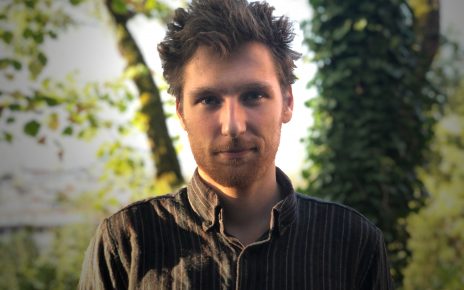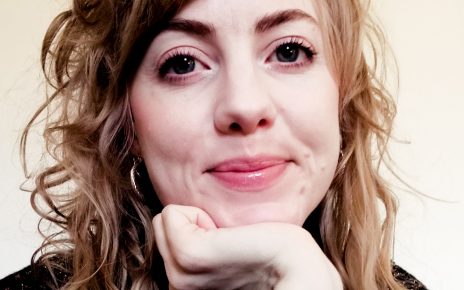
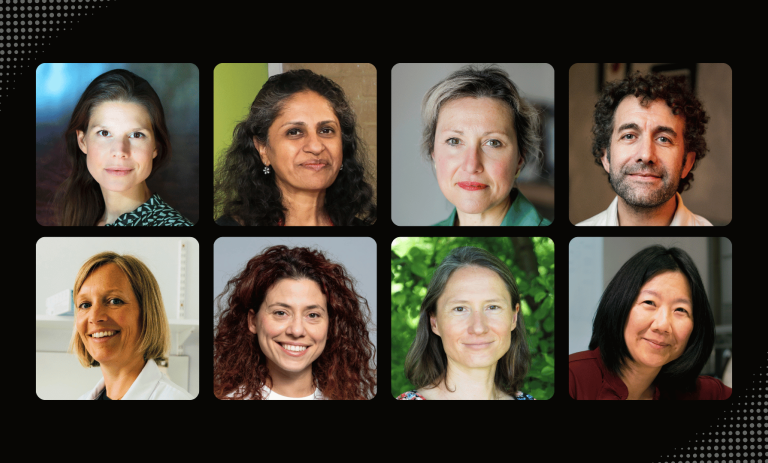
Elaine Chew is one of eight laureates of the ERC-2026-PERA, Public Engagement with Research Award. Elaine and Prabha Kotiswaran, Professor of Law and Social Justice from the Dickson Poon School of Law, are the two recipients based in the UK and the first recipients of the award from King’s.
Press release
From tickling to AI in hospitals: Eight researchers win ERC public engagement awards
17 September 2026
The awards ceremony and a panel discussion entitled “Connecting science and society: Insights from the ERC Public Engagement Award Winners 2026” will take place at the EU Research & Innovation Days at The EGG, rue Bara 175, 1070 Brussels, on Tuesday 10 November 2026 from 17.00 to18.00.
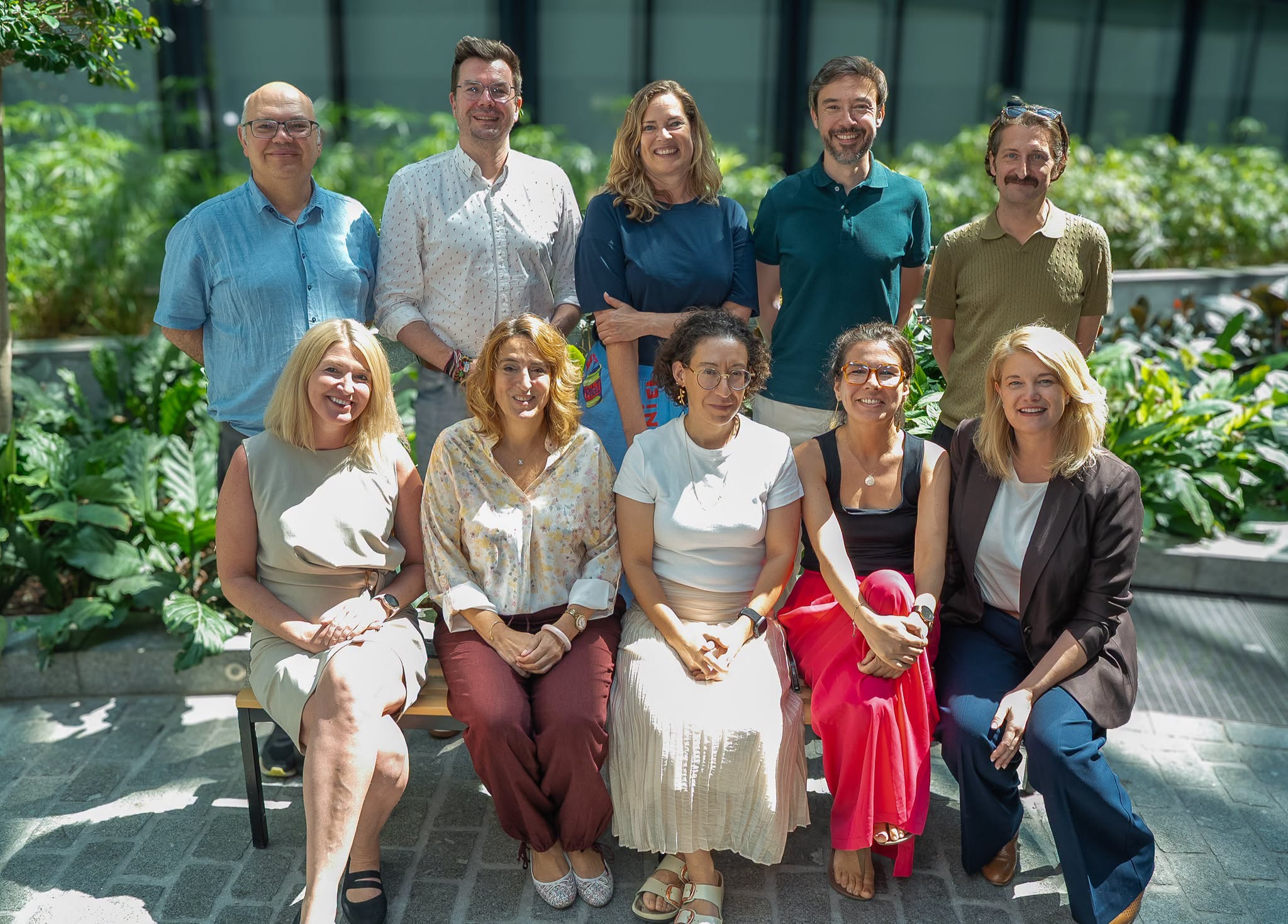
With thanks to the jurors: Mirko Bischofberger, Marc Creus, Didier Goossens, Pieke Hoekstra, Ester Jarour, Natalia Osica, Jennifer Cecilia Palumbo, Alessandra Saletti, Marta Daniela Santos, Marcin Witkowski
Elaine Chew, King’s College London, was awarded ‘for a boundary-spanning and truly interdisciplinary approach reaching millions of ears and hearts.’
Her initiative translates pioneering research on music and cardiovascular health into an engaging citizen-science initiative. It enables the public, musicians and clinicians to contribute data and explore how arrhythmical (and regular) music affects the heart. Through innovative digital tools, recordings and live demonstrations, the project increases awareness of music-based health applications and seeks to inspire new interdisciplinary collaborations between music, technology and medicine.
ARiTHM: Audiences for Research in Tuning of Heart and Music
In ERC COSMOS, citizen science and data science supported the study of performed (expressive) music and its analogies to, and impact on, the cardiovascular system. ARiTHM presents the strategies, activities, outcomes, and impact of the project’s public engagement. The strategies exploited to enable and amplify research reach were citizen science, a strong digital presence, and science communication. The actions leveraged the PI’s dual backgrounds in computational mathematics and piano performance, and algorithmic arrhythmia music drawn on lifelong lived experience. Bespoke software enabled the citizen science: heartfm captures and visualises concurrent music and physiologic data—ECG, respiration, heart rate variability; cosmonote presents time series layers and tools to mark segmentation and prominence. An active digital presence fostered by the online citizen science tools, dedicated websites and blogs, YouTube channels, and other social media provided research access and updates. Lay audiences contributed high-quality music and physiologic data and annotations; expert musicians shared their performances, interpretations and musical thinking. The research engaged with physician-musicians, and with pacemaker, hypertensive, and hypertrophic cardiomyopathy patients. Over 500 people contributed to the research. 70+ collections have been processed for analysis in cosmonote, 109+ videos made to document the research. COSMOS research has been presented in over 40 cities to diverse audiences across over 20 domains. It has reached over 156.5K in scientific communities, 47.6M general public, including over 30K children, and was presented in person to over 500 policy makers. The actions drew recognition for research on music and the heart—Falling Walls, Unexpected Oscar—attracted video/television features—ARTE, BBC, MIT—and garnered coverage in over 50 international news outlets and public broadcasts, increasing research visibility and inspiring future researchers.