Mateusz Soliński presents paper on change point associations for music-based micro interventions and wins Best Poster Award for OpenPPG app


Mateusz Soliński presents paper on change point associations for music-based micro interventions and wins Best Poster Award for OpenPPG app

Published in PLOS One : How seeing and hearing affects citizen science annotation tasks, critical for reliable algorithmic analysis of music
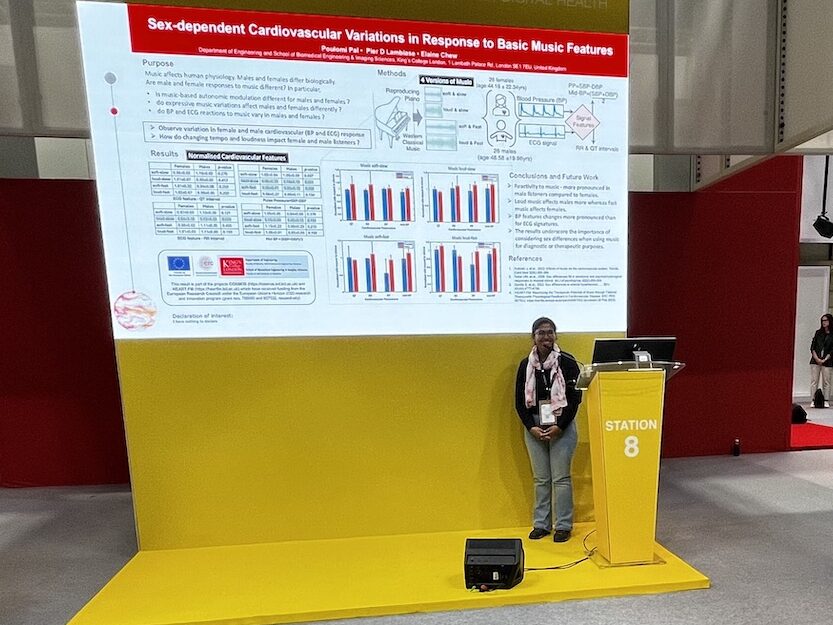
Poulomi Pal highlights the differences in response between males and females and how music can be used as a tool for hypertension diagnosis.

Natalia Cotic and Poulomi Pal present at the ESC Congress and highlight the role of music in cardiovascular medicine.

Natalia Cotic and Mateusz Soliński represented the COSMOS project at the 47th Annual International Conference of the IEEE Engineering in Medicine and Biology Society (EMBC) that took place in Copenhagen, on 14th-17th July 2025.
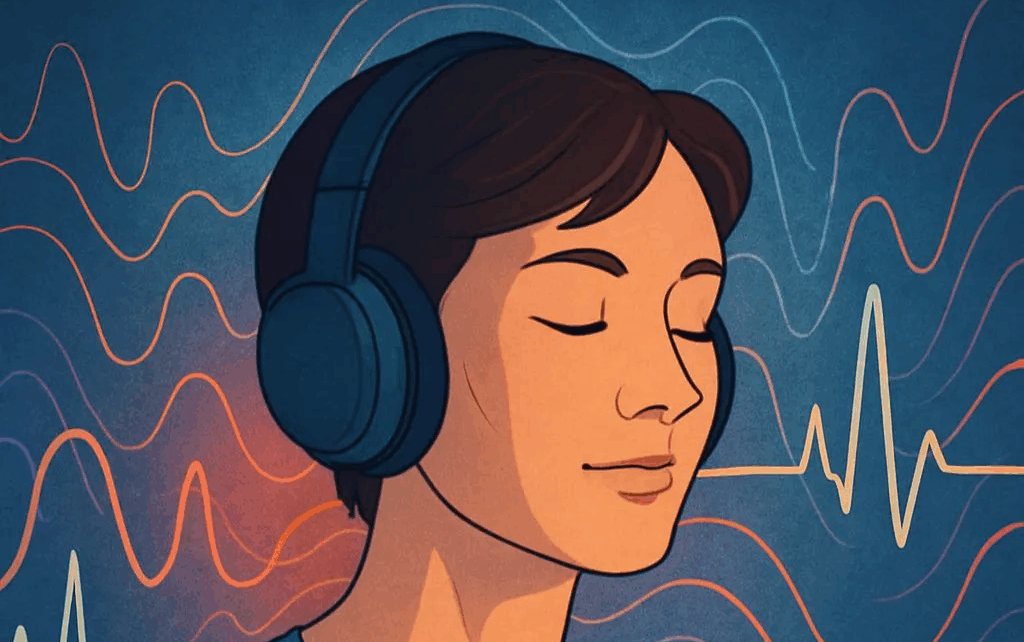
Medium article sums up Scientific Reports paper “High blood pressure inhibits cardiovascular responsiveness to expressive classical music
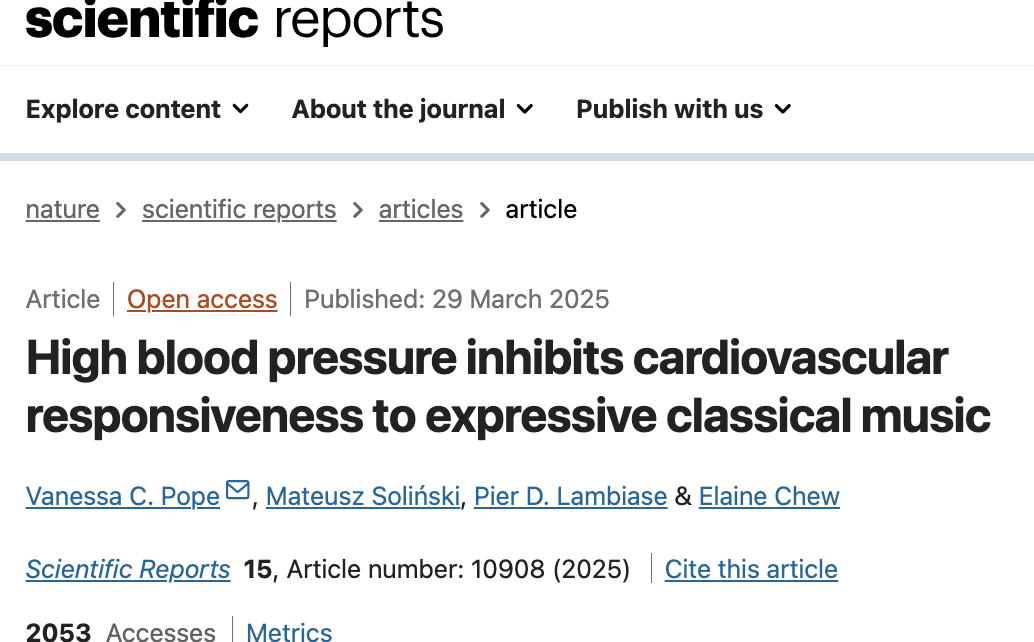
How music’s tempo and loudness interact with baseline blood pressure in Nature Scientific Reports and on Classic FM’s website
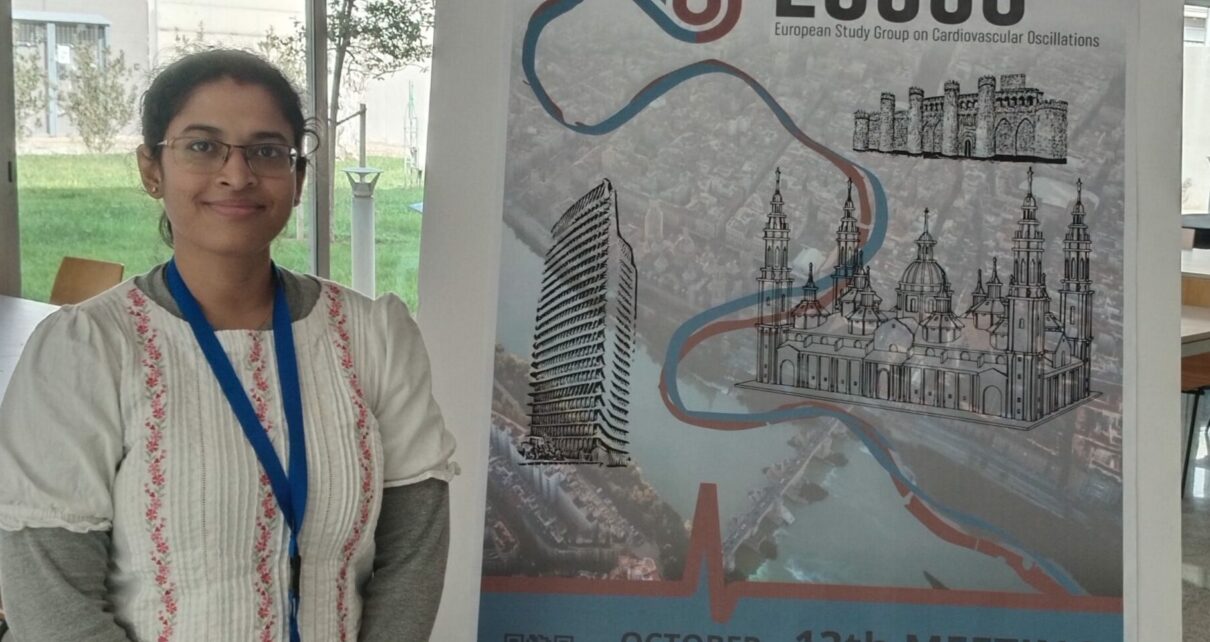
Poulomi Pal shows hypertension diagnosis with physiological signals during music listening outperforms silence baseline
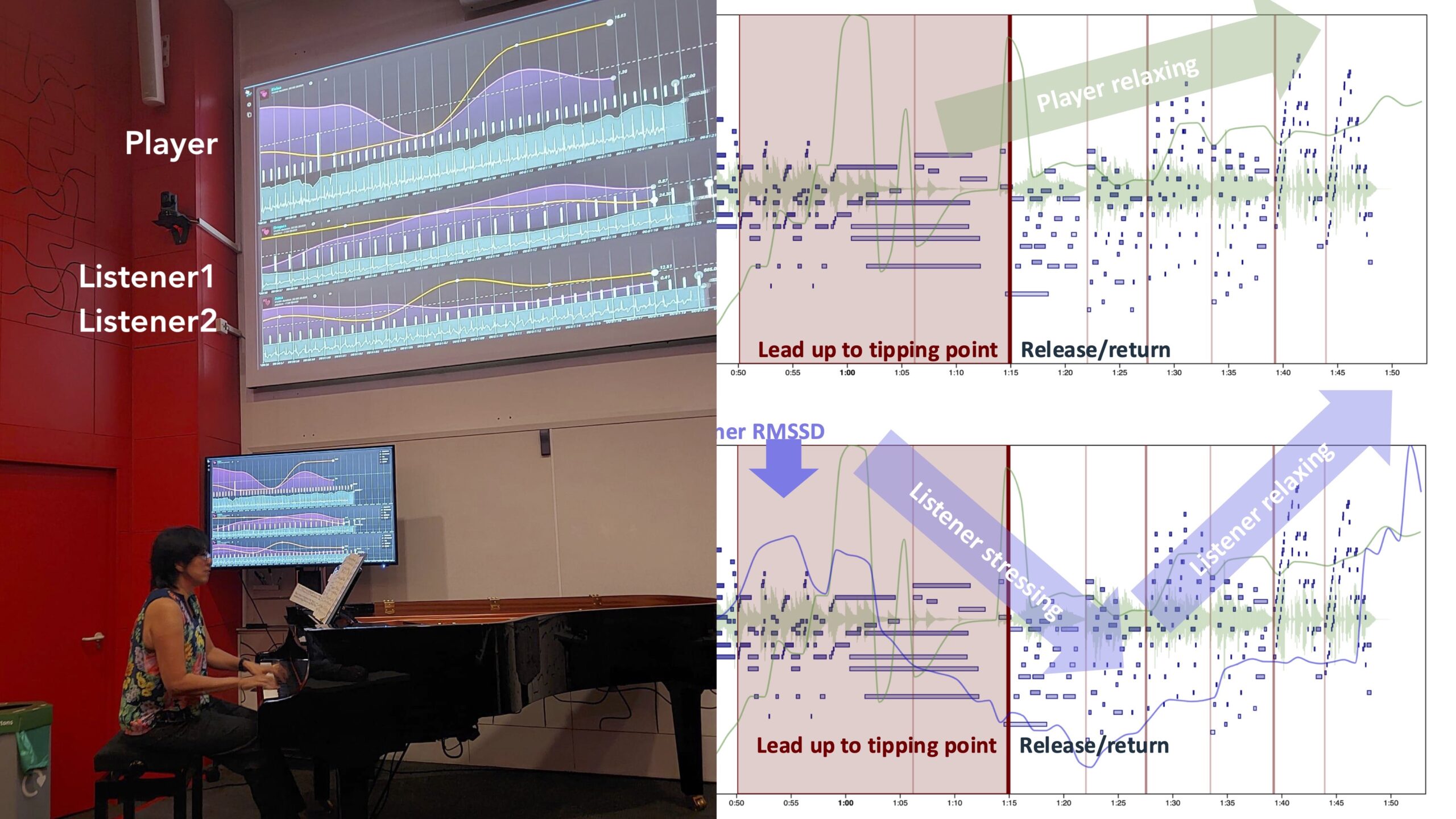
CosmoNote and HeartFM enabled visualising, playing, and annotating of music and heart data highlighted in European Heart Journal
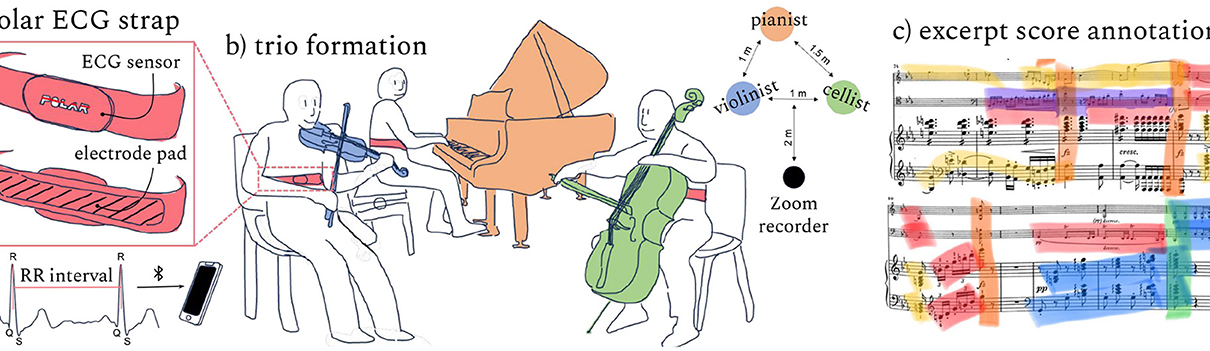
Computational model captures up to 60% of variability in musicians’ heartbeat intervals with map of musicians’ jointly decided actions